

May 1, 2026
Quick Answer: Can You Store Wine in a Glass Room?
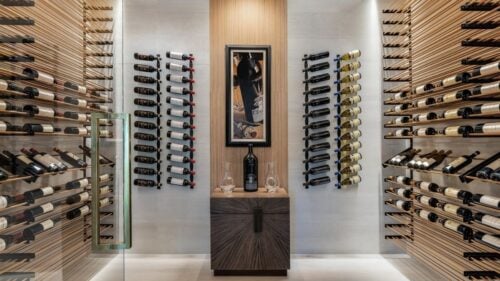
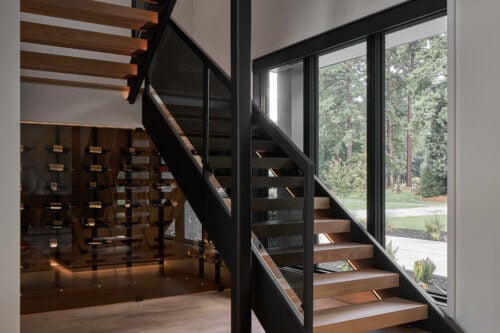
Yes, you can safely store wine in a glass-enclosed room on your main floor. The key is mitigating the two main threats to wine—UV light and heat—by using UV-treated glass and installing a dedicated climate control system. While frameless glass is ideal for short-to-mid-term storage, serious collectors aging wine for a decade or more should use framed glass (R-7 or R-9 rating) for better thermal insulation.
Key Takeaways for Glass Wine Enclosures:
- UV Light is Solvable: UV-treated glass prevents "lightstrike" and protects wine chemistry.
- Frameless Glass = Short-Term: Best for modern aesthetics and wines meant to be consumed within 1–5 years (cooled to the low 60s).
- Framed Glass = Long-Term: Provides improved R-value (insulation) to maintain traditional 55°F cellar temperatures for decades-long aging.
HGTV’s Rock the Block: The Glass Wine Wall That Sparked a Debate
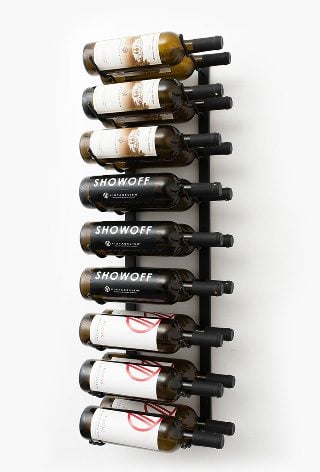
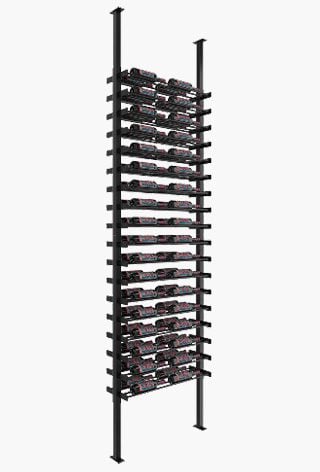
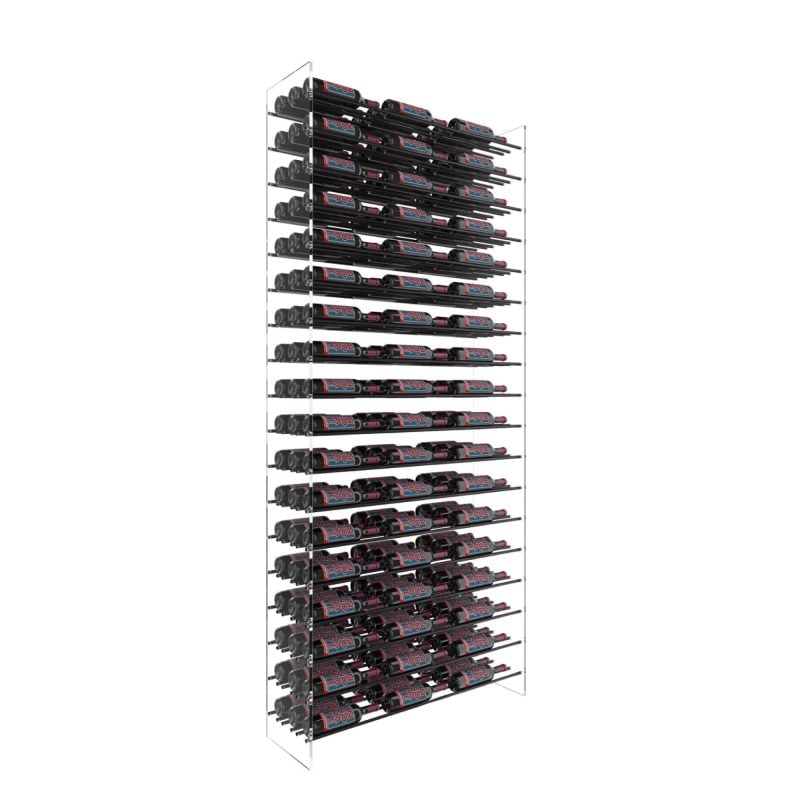
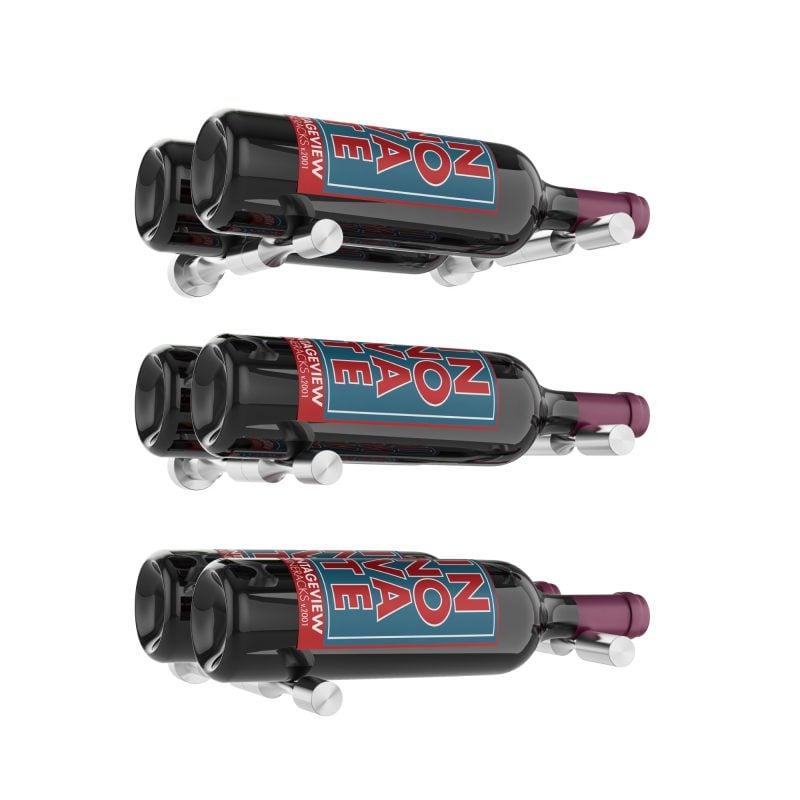
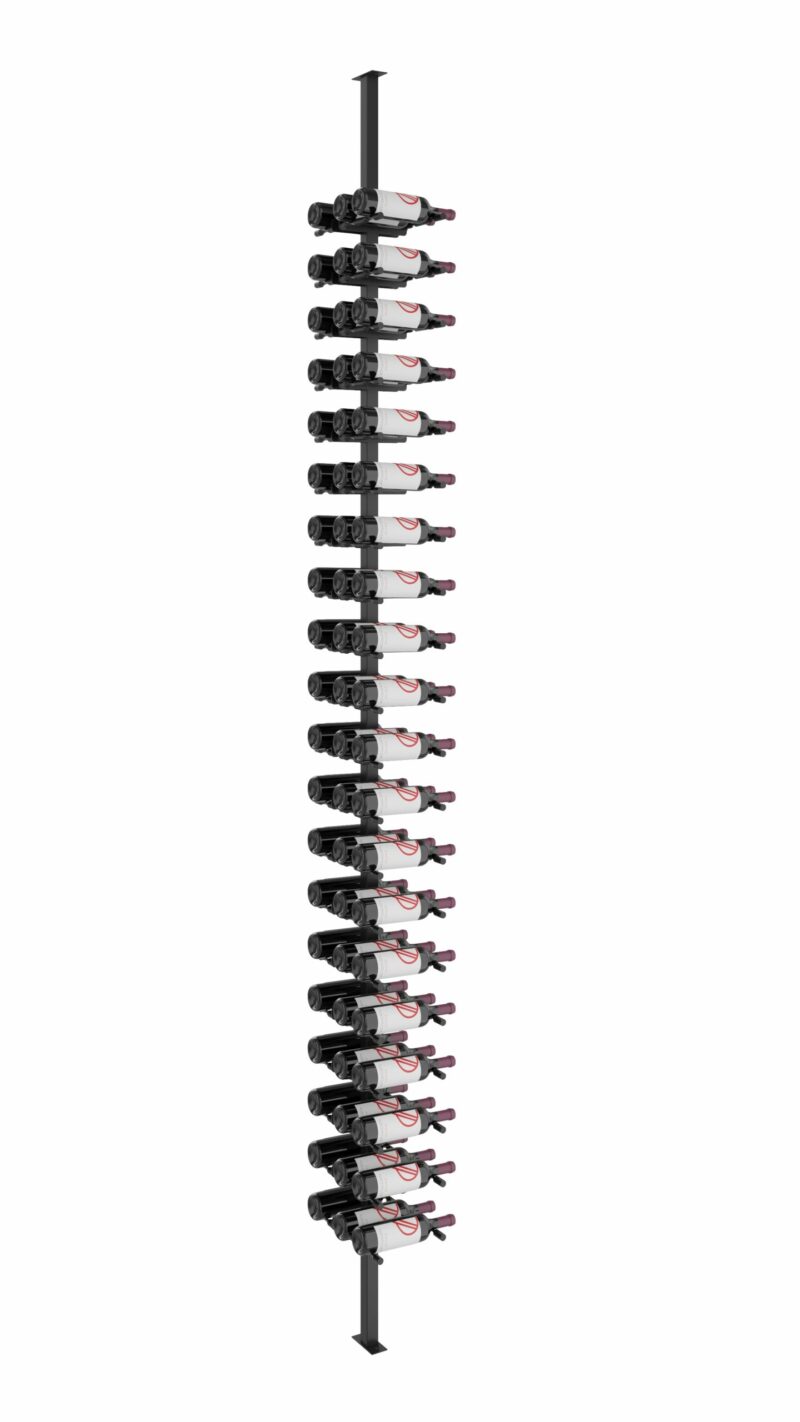
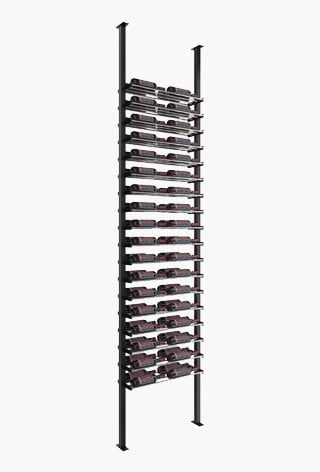
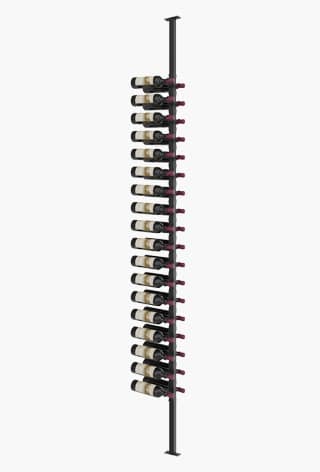
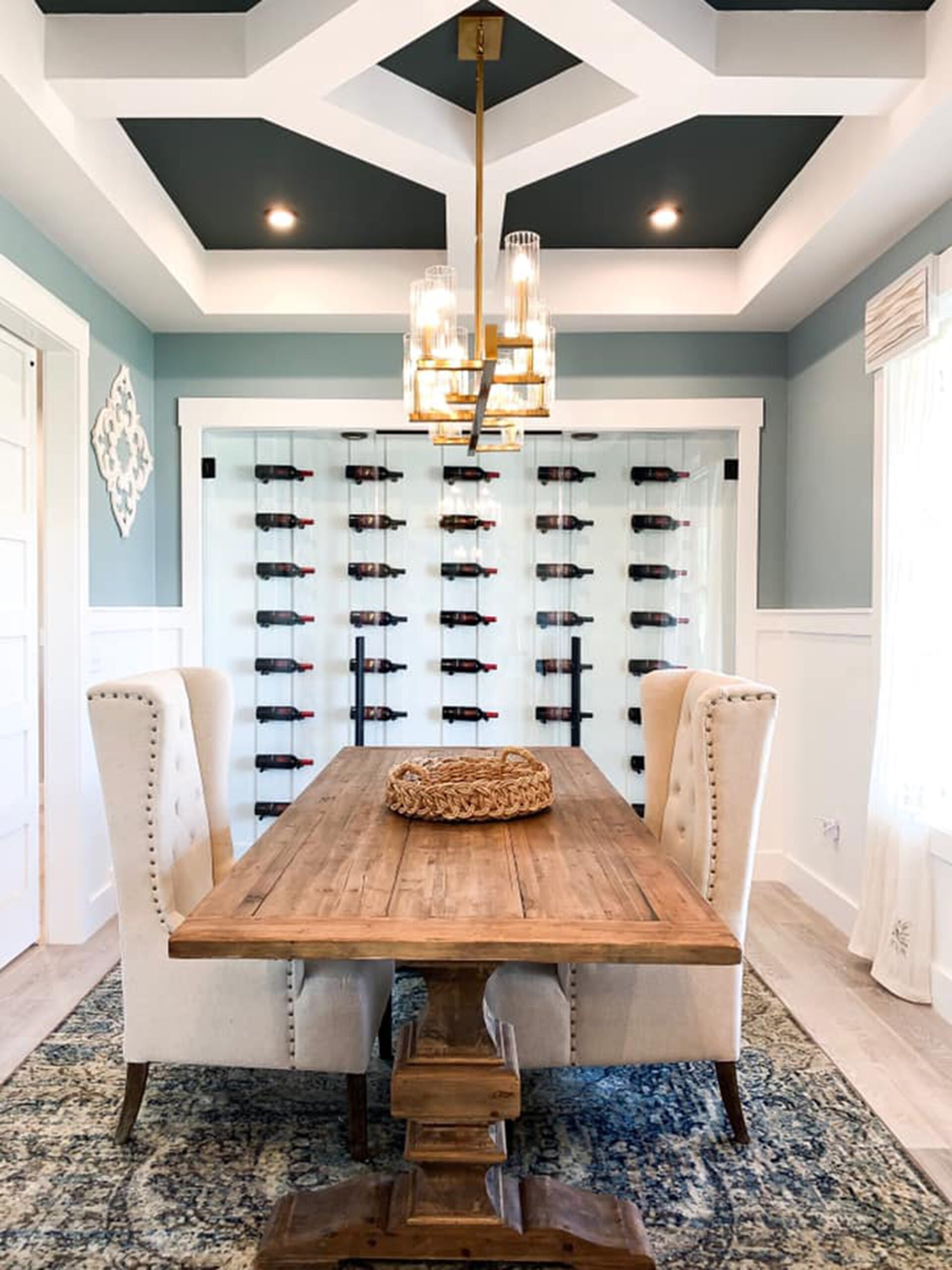
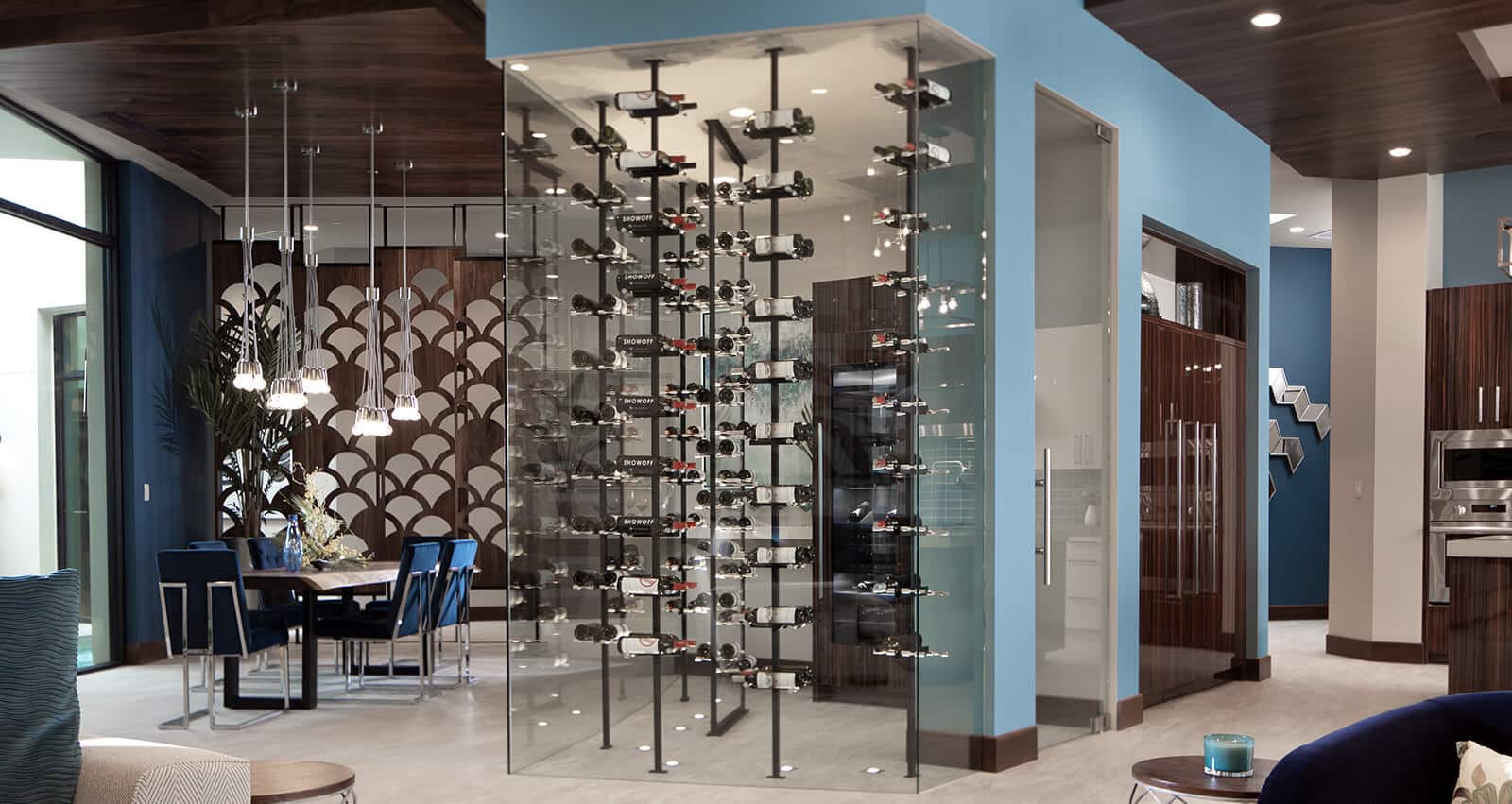
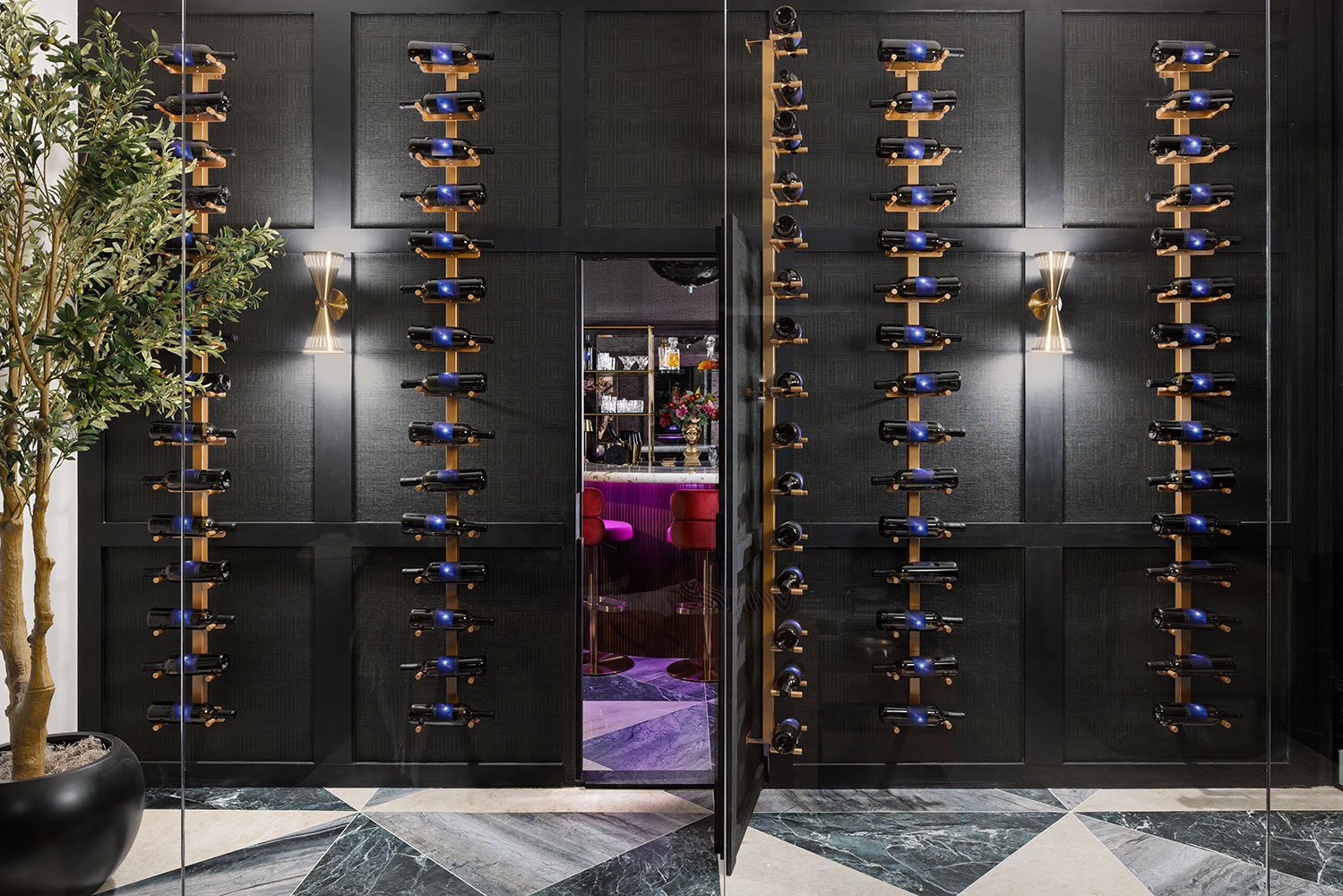
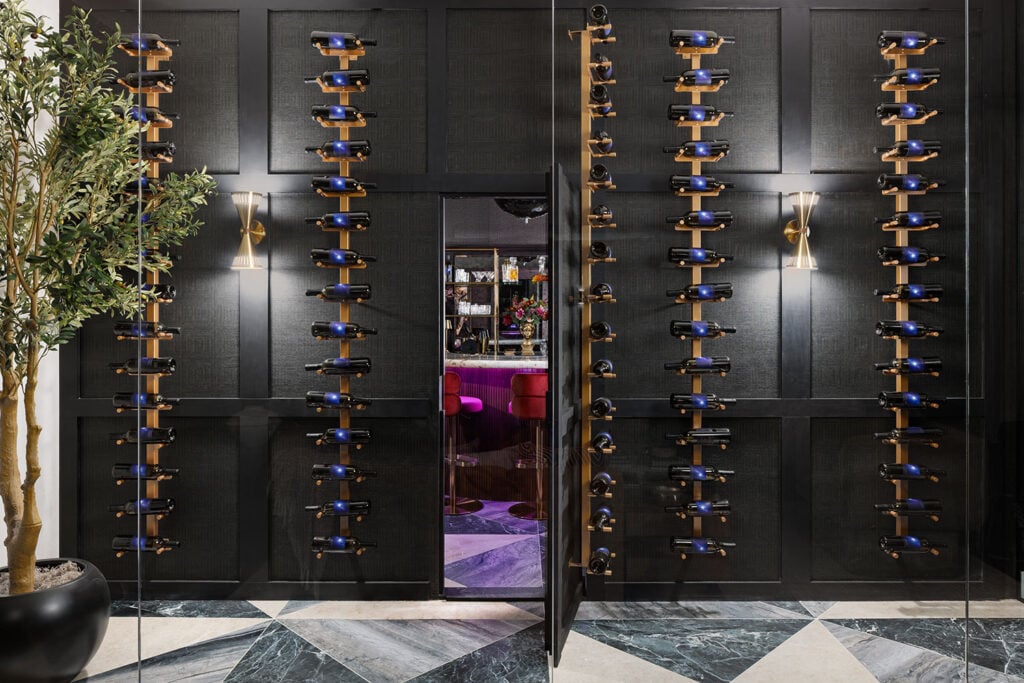
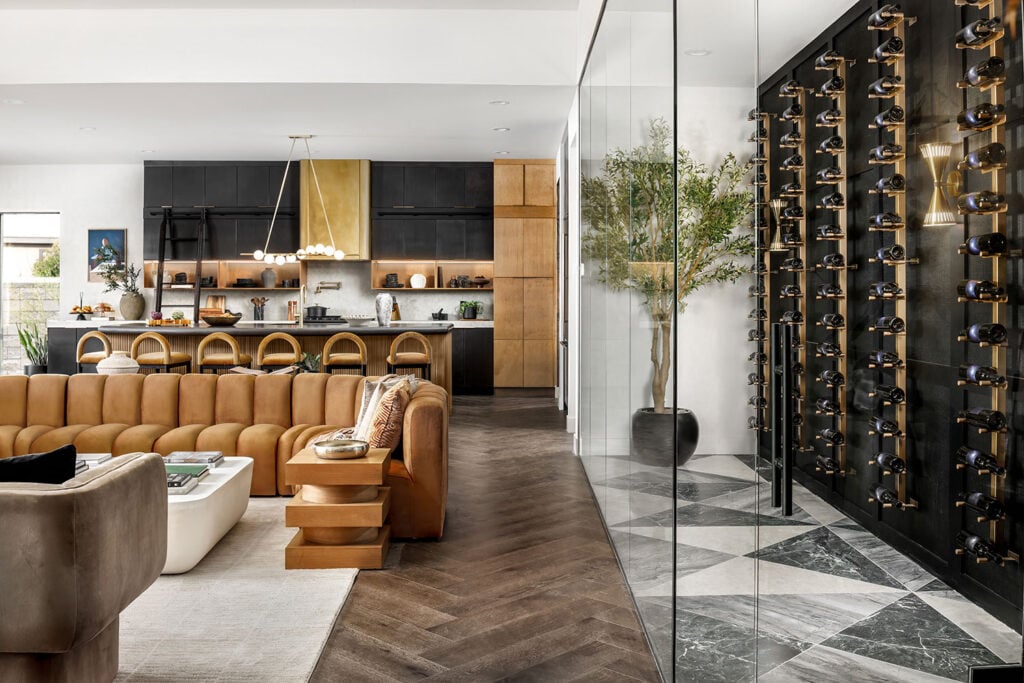
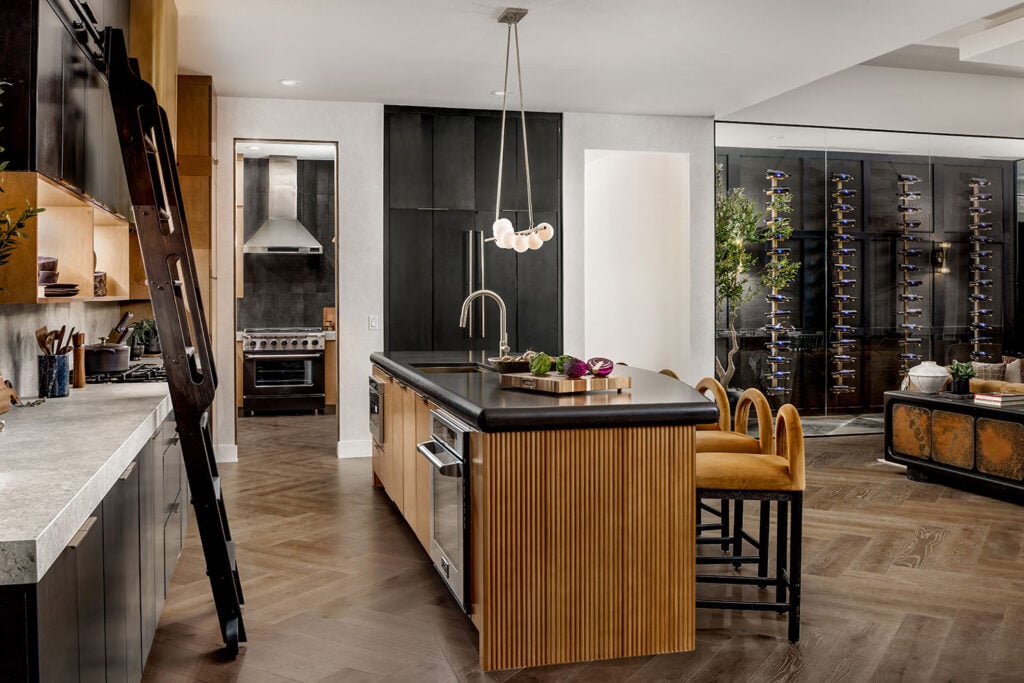
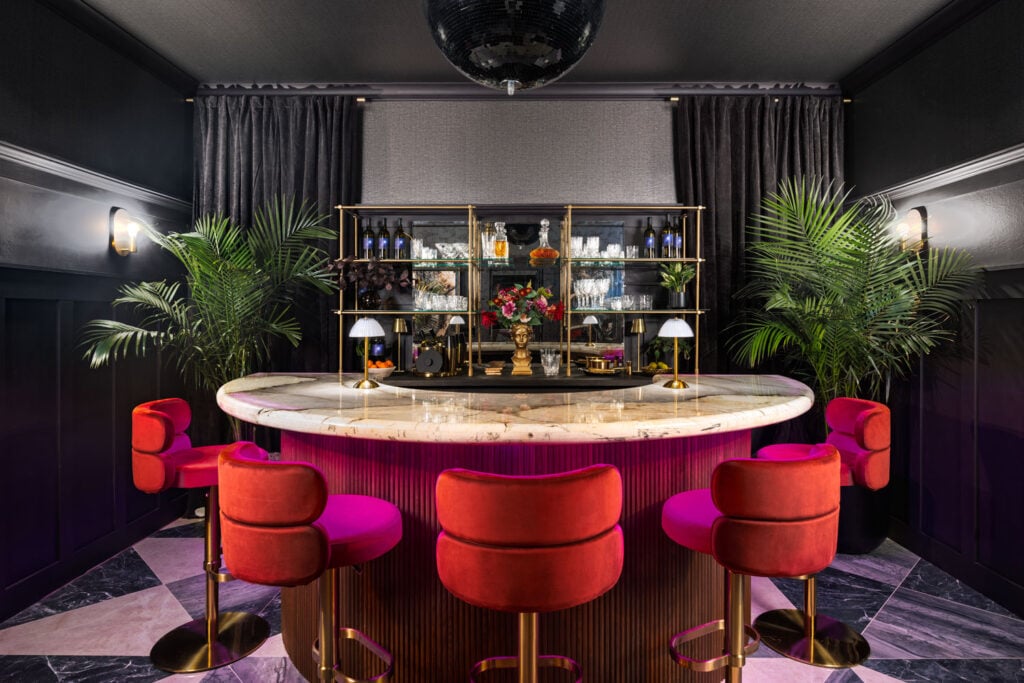
If you caught Season 7, Episode 2 of HGTV’s Rock the Block, you saw designers Taniya Nayak and Drew Lachey create an absolute show-stopper: a completely frameless, glass-enclosed wine wall utilizing the VintageView Vino Pins Post System. As if the elegant display wasn't enough, it doubled as a secret entrance to a hidden speakeasy.
It was a massive "wow" moment for the judges, but it didn't take long for the online chatter to start. Across Reddit and social media, we saw the same question pop up: "Isn't it terrible for wine to be stored in a glass box?"
The short answer is no, but glass does present a unique set of hurdles. With the right budget, planning, and climate control solutions, a glass-enclosed wine room is completely viable. Let’s explore the truth about light and heat in wine rooms, and how to protect your investment.
The Two Enemies: Heat and UV Light
If you are building a glass-enclosed wine wall, you can't use standard window glass. By opting for UV-treated glass panels, you effectively filter out harmful ultraviolet rays. This simple but critical material upgrade neutralizes the threat of UV damage, allowing your bottles to rest safely in plain view.
Tackling Temperature: Frameless vs. Framed Glass
Heat management is where the real planning comes in. To keep your wine safe from temperature fluctuations, we always recommend a dedicated climate-controlled system for the room. However, the type of glass you choose dramatically impacts how well that cooling unit performs.
The Frameless Glass Look (Best for Short/Mid-Term Storage)
Frameless glass—like the stunning speakeasy entrance on Rock the Block—offers a sleek, modern, and minimalist aesthetic.
- The Challenge: It has a very low insulation value (often R-1 at best).
- The Solution: Because it’s harder to maintain strict, cellar-perfect temperatures, frameless glass is best for short- and mid-term storage. By setting your cooling unit to the low 60s (Fahrenheit), you create a fantastic environment for bottles you plan to drink over the next 1–5 years. It is not recommended for highly collectible bottles meant to age for decades.
The Framed Glass Solution (Best for Long-Term Collectors)
If you are an avid collector looking to showcase vintage bottles for long-term aging at 55 degrees, framed glass is a necessity.
- The Challenge: Finding a balance between sleek visibility and proper insulation.
- The Solution: Framed glass products offer significantly better insulation, typically achieving R-7 or R-9 ratings. While this isn't quite the ideal R-17 value of a traditional basement cellar, it holds chilled air efficiently and gives your cooling unit the support it needs to protect your decade-plus investment.
The Big Picture
You don't have to banish your wine to a dark, hidden basement to keep it safe. Putting your collection front and center on the main floor is a gorgeous design choice that elevates your home's aesthetic. You just need to respect the science of wine storage.
By utilizing UV-treated glass, investing in proper climate control, and choosing the right glass style (frameless for modern, mid-term storage; framed for serious collectors), you can absolutely pull off the glass-box look without compromising a single drop of wine.
Frequently Asked Questions (FAQ)
Is it a bad idea to put a wine cellar on the main floor?
Not at all. Main-floor wine displays are a gorgeous design choice that elevates your home's aesthetic. You simply need to account for UV protection and thermal insulation in the planning process.
Can I use normal glass for my wine cellar?
If there is any natural light coming into the room, the answer is "No." Standard glass allows UV rays to penetrate and offers almost zero insulation. Always specify UV-treated and thermally rated glass for wine storage applications when natural light is present.
What temperature should a glass wine room be?
For mid-term storage in a frameless glass room, aim for a consistent temperature the low 60s (~17°C) or colder. For long-term aging in an insulated, framed glass room, aim for the traditional cellar temperature of 55°F (13°C).