

Jun 3, 2026
The One Design Trick Top Architects Use to Warm Up a Modern Wine Display
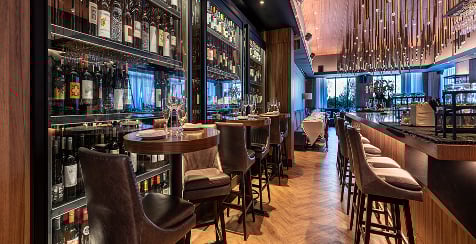
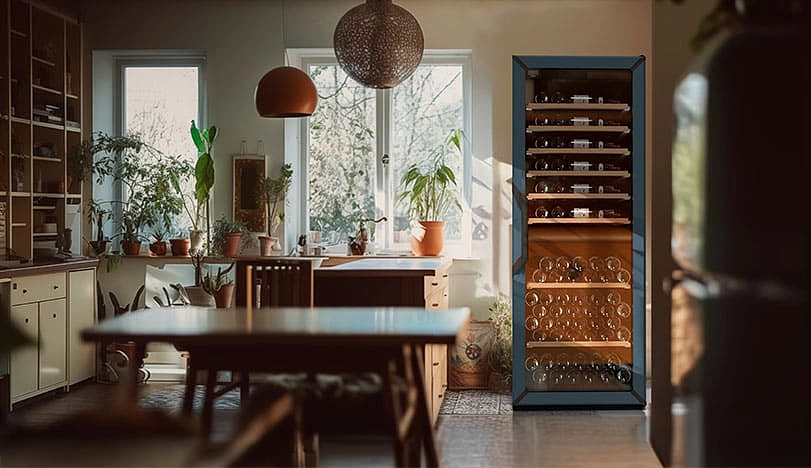
The days of banishing wine collections to dark, dusty basement dungeons are officially over. Today’s clients—and ambitious homeowners—expect wine storage to be an architectural centerpiece, seamlessly integrated into open-concept living spaces, dining rooms, and high-end hospitality venues.
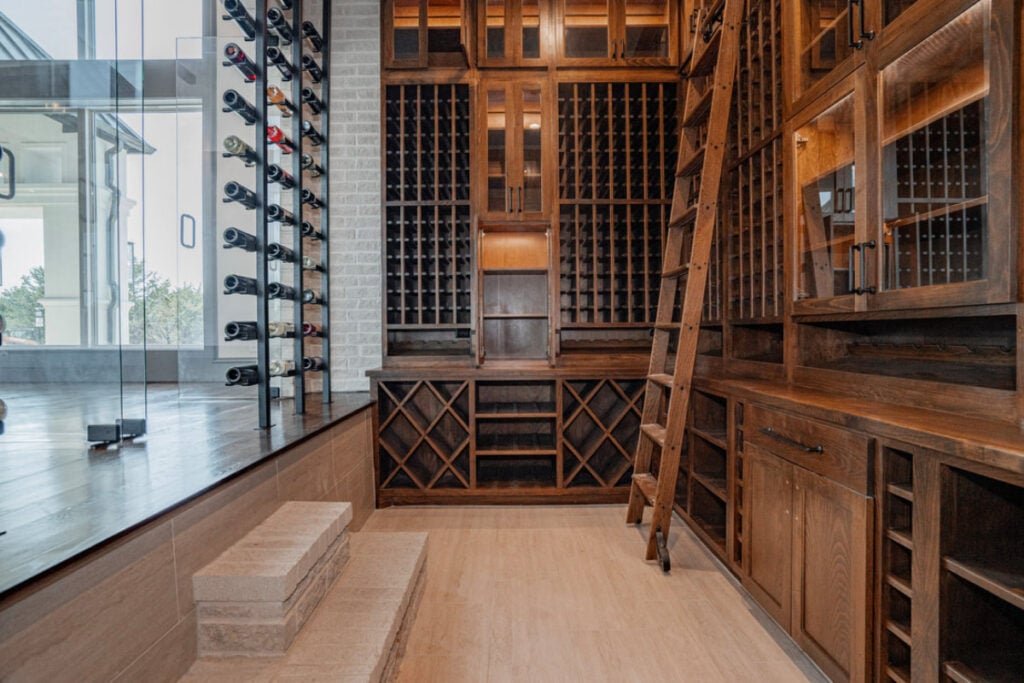
But achieving that modern, "transitional" aesthetic comes with a unique design challenge: pure metal racking can sometimes feel too industrial or cold for a residential space, while traditional wood racking is heavy, space-consuming, and hides the very wine you want to showcase.
The solution? A highly engineered, mixed-texture approach.
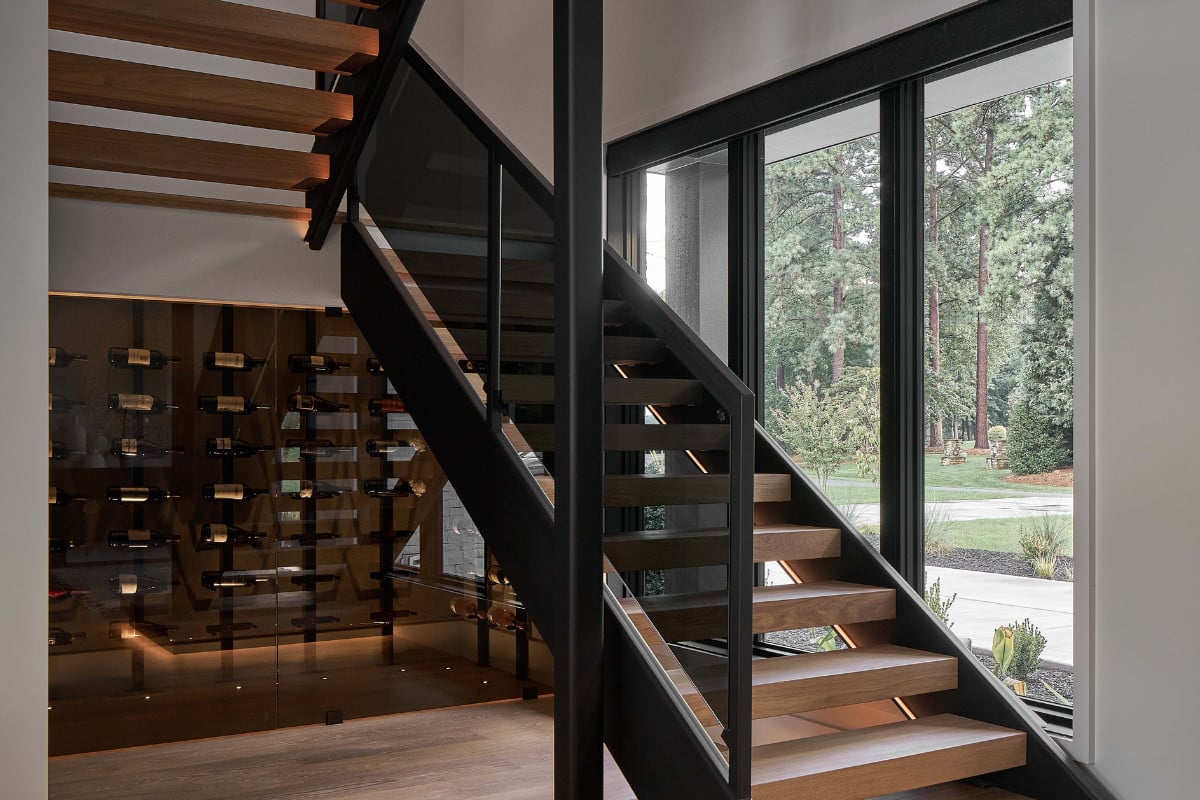
By pairing the structural strength and label-forward visibility of architectural metal with the organic warmth of wood backdrops or leather accents, you create a bespoke, luxury installation. Whether you are a trade professional drafting a glass-enclosed under-stair display, or a dedicated DIYer transforming a blank wall, executing this look requires both creative vision and precise tolerances.
Below, we are breaking down the material pairings, design secrets, and exact substrate requirements you need to master the mixed-texture wine wall.
Key Takeaway: The Design Summary
Integrating mixed materials in a modern wine cellar balances the sleek, architectural strength of metal with the warm, organic textures of wood. By anchoring label-forward metal racking—like VintageView’s signature systems—to premium wood backer boards or incorporating textured product accents like leather-wrapped rails, designers maximize bottle visibility and ensure optimal airflow while delivering a highly customized, high-end aesthetic.
Comparison Criteria: The Evolution of Wine Storage
| Feature | Traditional Wood Racking | Standard Metal Racking | The VintageView Mixed-Material Approach |
|---|---|---|---|
| Visual Style | Heavy, classic, concealed | Industrial, ultra-modern, floating | Transitional, bespoke, luxury architectural |
| Bottle Orientation | Cork-forward (hidden labels) | Label-forward visibility | Label-forward visibility (Wine as art) |
| Airflow & Cooling | Restrictive, absorbs moisture | Excellent airflow | Optimal airflow (Wood/leather used only as aesthetic accents) |
| Space Efficiency | High footprint required | Minimalist, high density | Customizable density with striking visual contrast |
The 2026 Design Standard: Balancing Metal and Wood
Designers and architects are moving decisively away from cold, sterile environments. Today’s high-end spaces demand organic textures that make room-spanning wine displays feel warm and inviting.
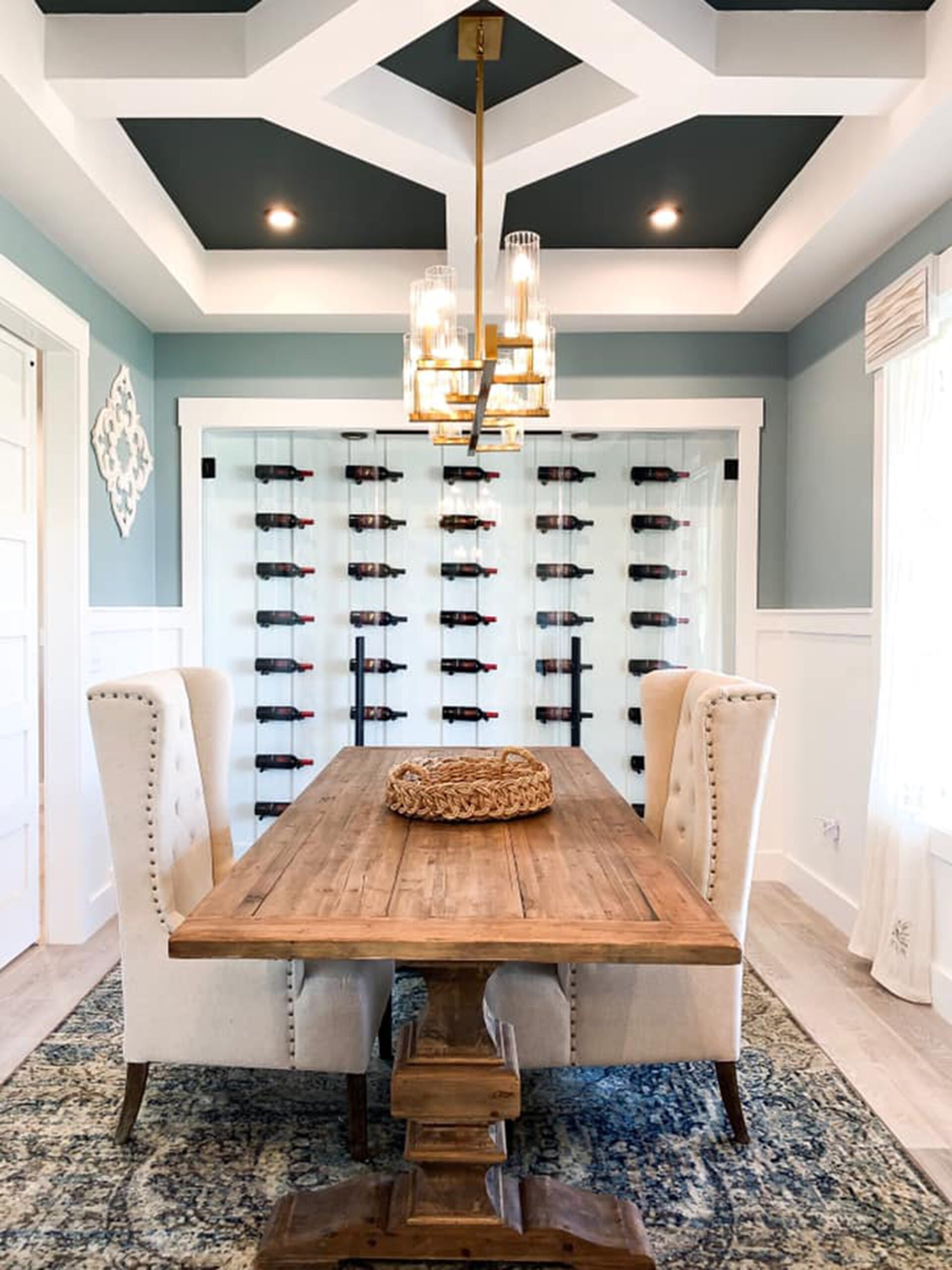
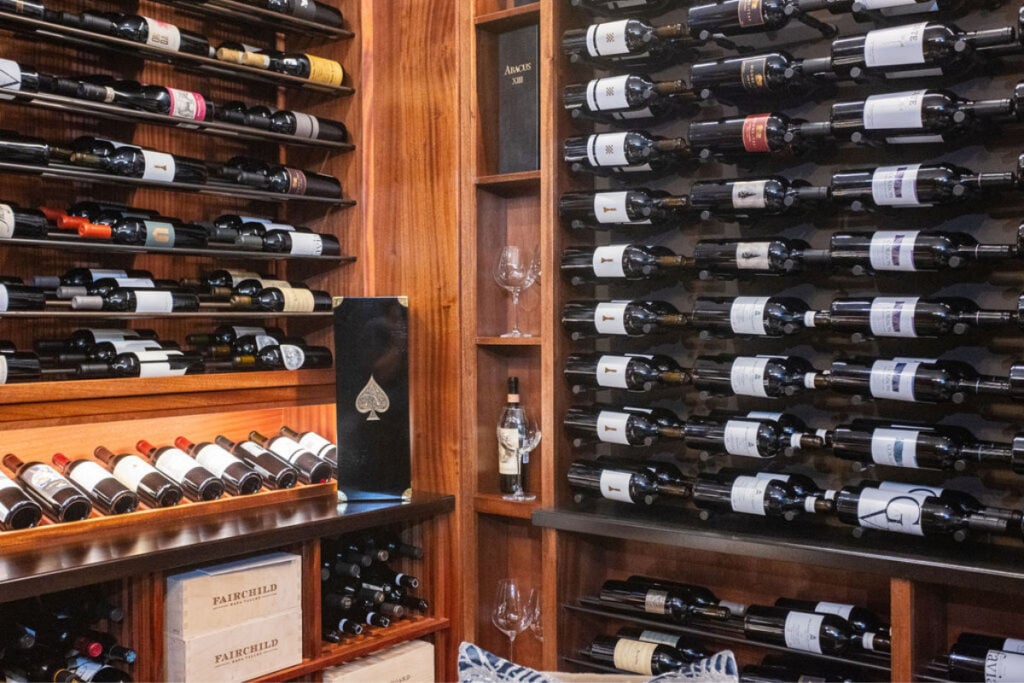
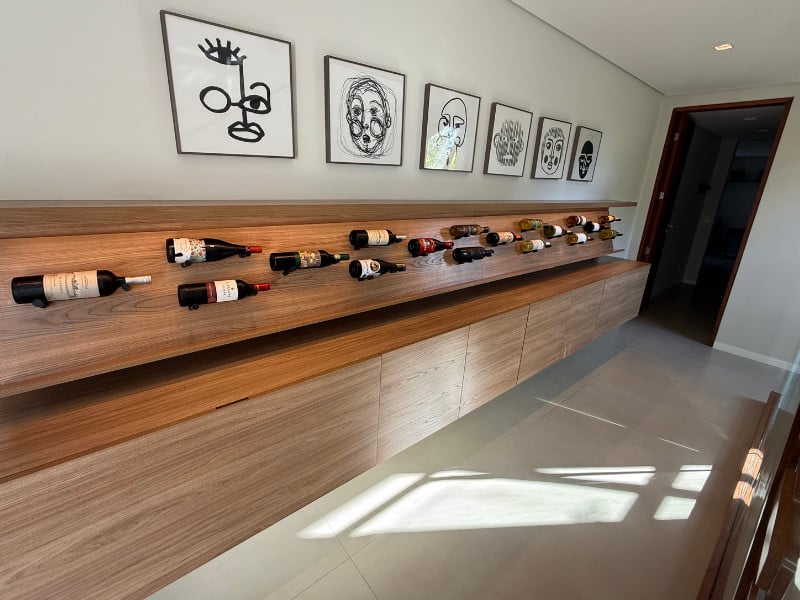
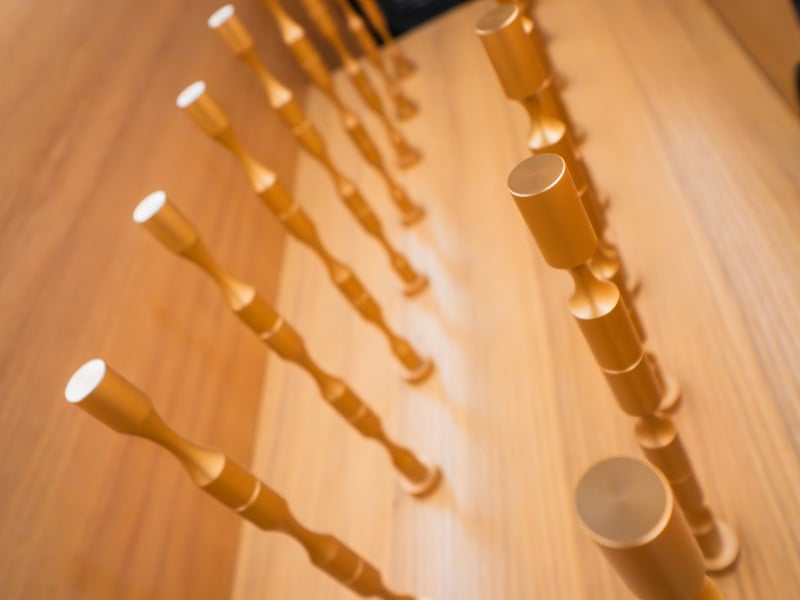
By combining the rigid, label-forward functionality of architectural metal racking with the organic warmth of custom wood wall paneling (such as walnut, oak, or reclaimed wood backdrops), the wine wall becomes a cohesive, sculptural part of the living space.
Material Innovations: 4 Ways to Achieve the Mixed-Texture Look
When specifying a mixed-material display, designers have more options today than simply bolting metal to a wood wall. Modern manufacturing has introduced new ways to blend these aesthetics:
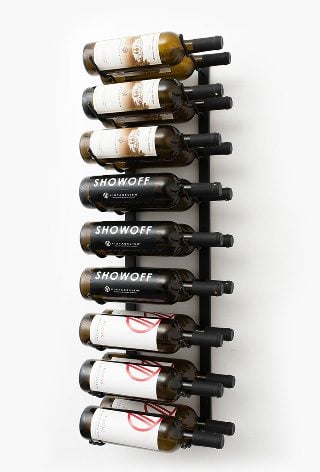
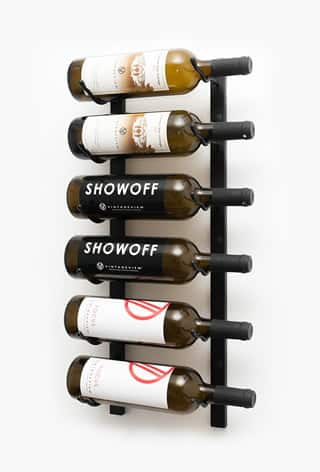
- The Classic Contrast (Metal & Wood): The standard approach. Anchoring sleek, architectural metal finishes (like Matte Black or Gunmetal) directly onto custom walnut or oak wall panels.
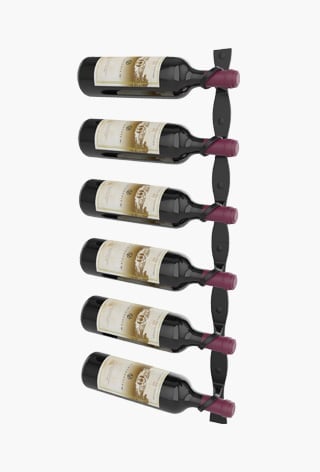
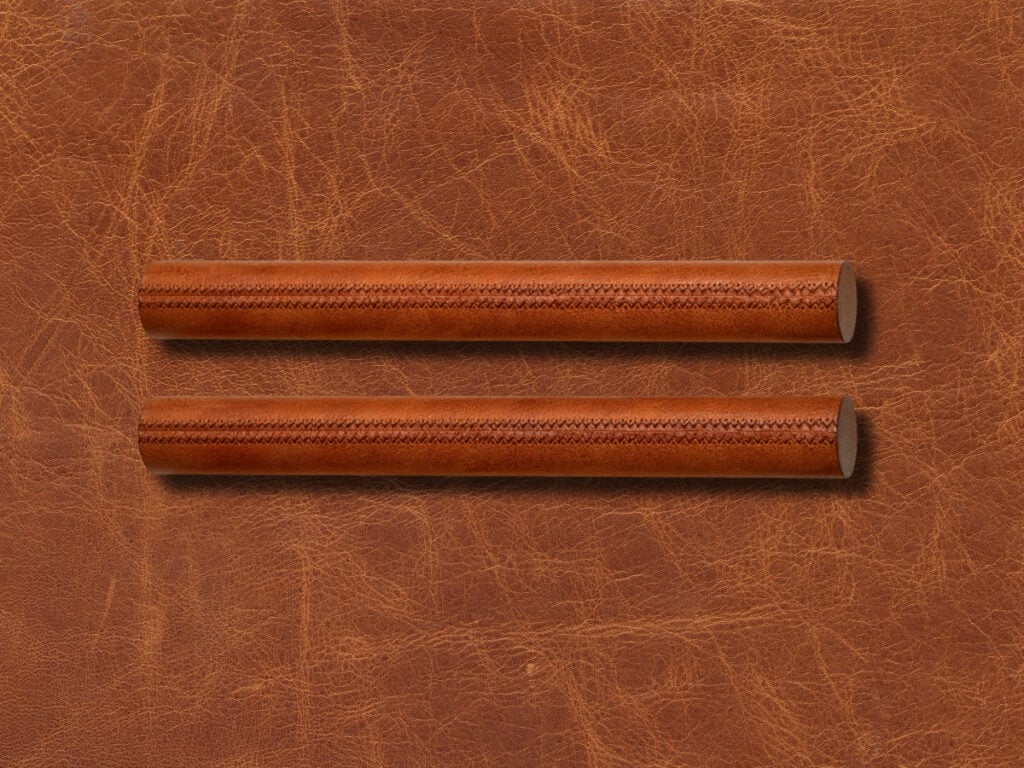
- Textured Accents (Cognac Leather): For a softer, more tactile transition, incorporate textured product lines like our leather-wrapped Cognac Vino Rails, which break up the industrial feel of a high-density metal display.
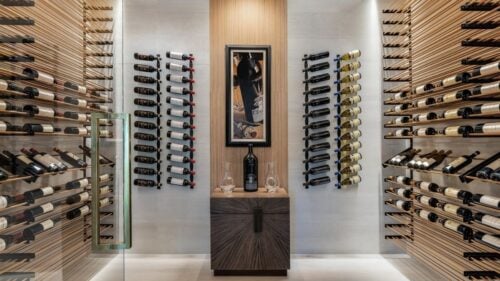
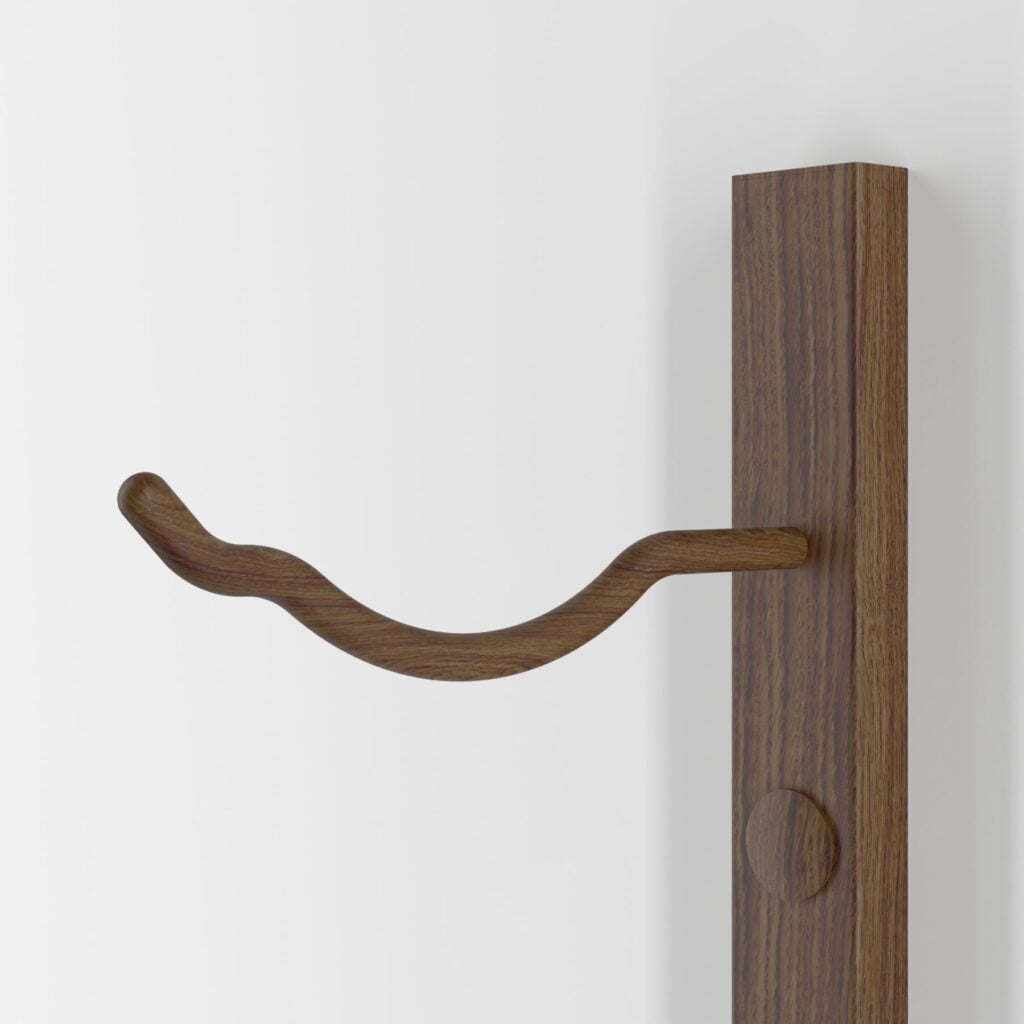
- Engineered Wood-Look Metals (Vivid Grain): Want the visual warmth of wood without worrying about vapor barriers or humidity warping? Innovative finishes like VintageView’s Vivid Grain apply a highly realistic wood-grain aesthetic directly onto structural aluminum, giving you the classic wood look with the high-performance engineering of metal.
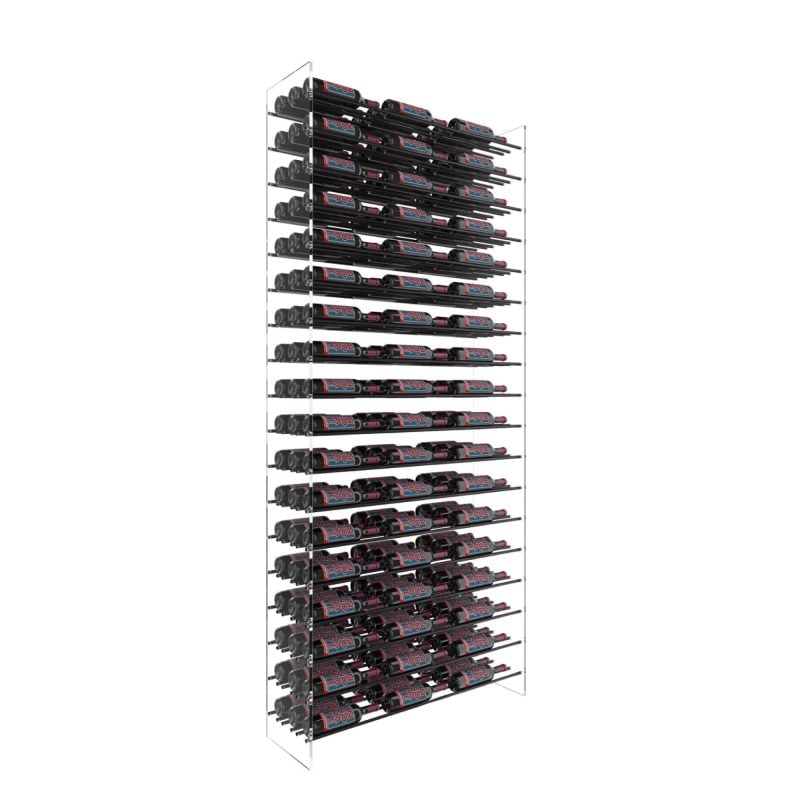
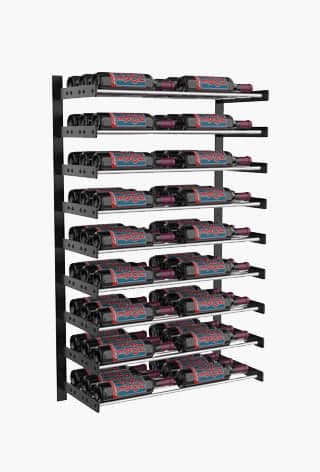
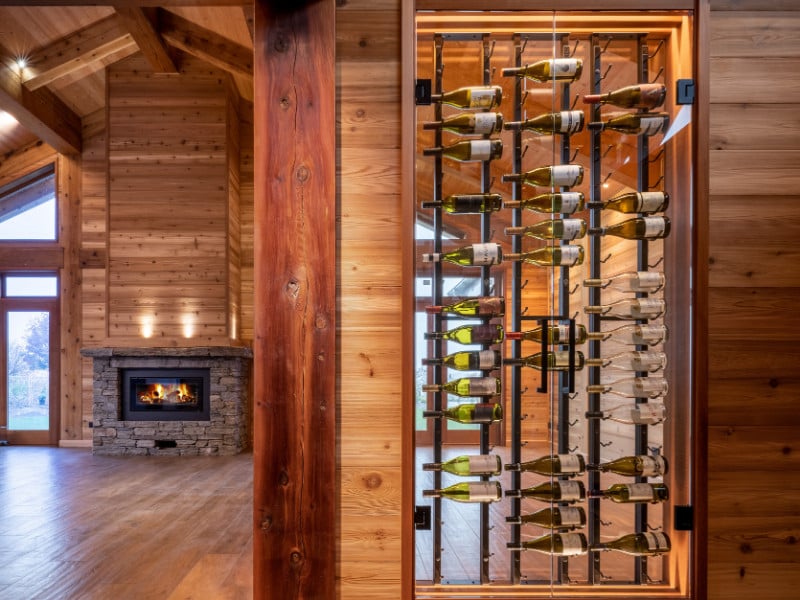
- Fully Custom Fabrication: For unique commercial spaces or complex under-stair residential builds, fully custom metal fabrication ensures the racking integrates perfectly with the surrounding architectural materials, no matter the substrate.
Technical Specs: Category Mounting Tolerances & Engineering
When specifying a mixed-material wall, securing heavy, bottle-laden metal hardware to alternative wall substrates requires exact structural planning. Below are the industry-standard tolerances for integrating metal racking components onto different surfaces:
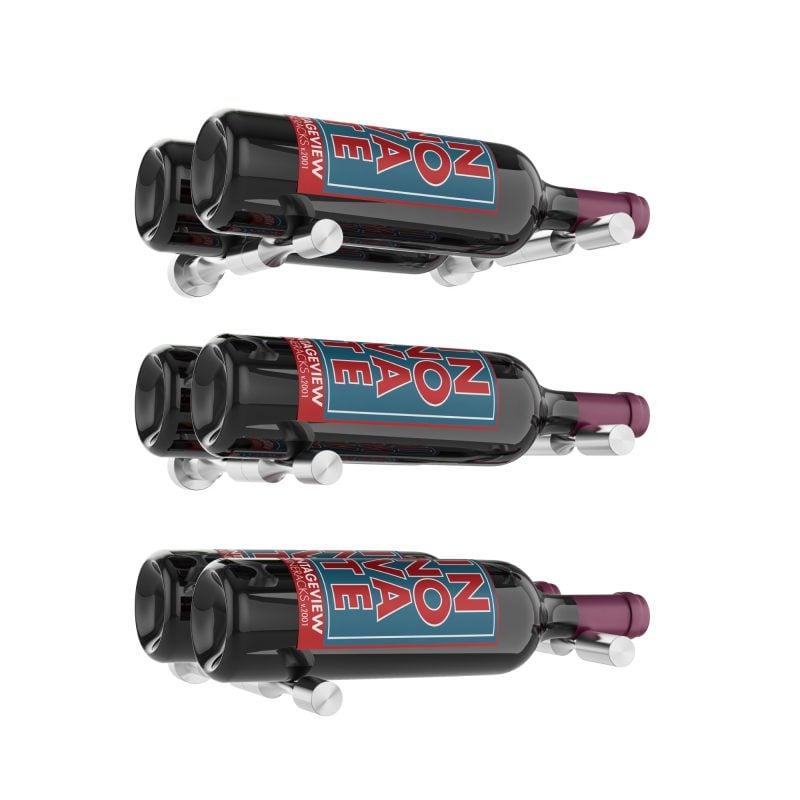
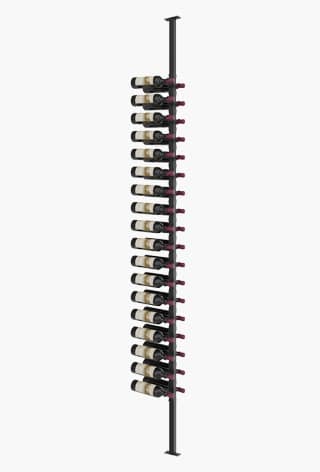
- Wall-Mounted Substrate Requirements: When anchoring floating metal peg systems (such as our Vino Series) or heavy-duty metal racking over decorative wood panel backers, the mounting hardware must penetrate a structural 1/2-inch (minimum) to 5/8-inch plywood backer or drill directly into structural wall studs. Standard drywall toggle anchors are insufficient when bridging thick decorative wood panels, as the panel prevents the anchor from expanding securely behind the wall.
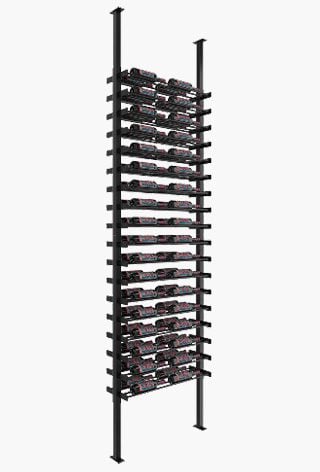
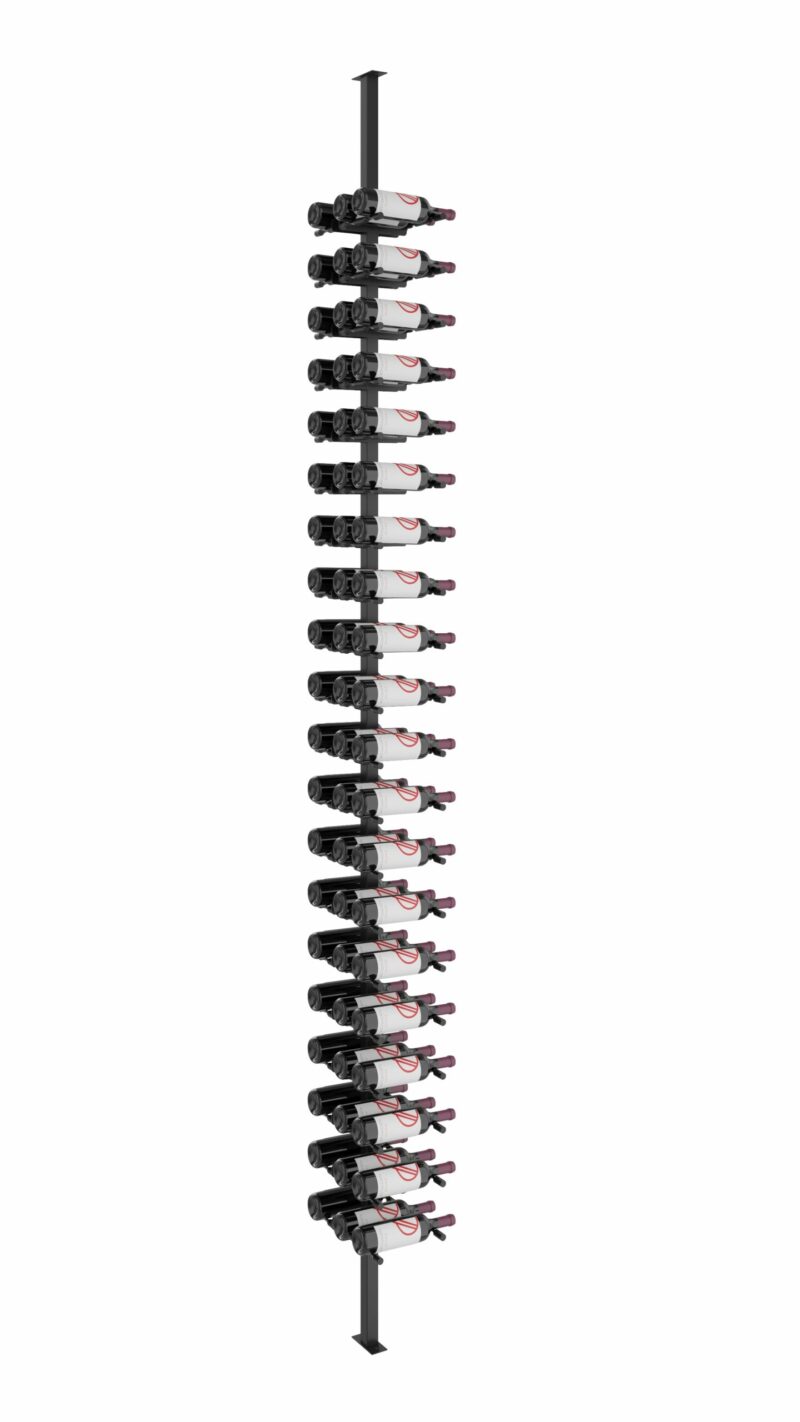
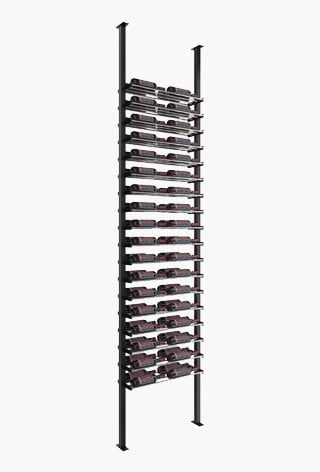
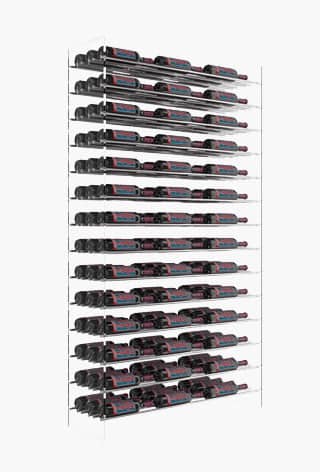
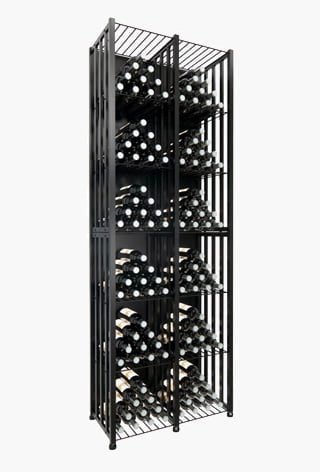
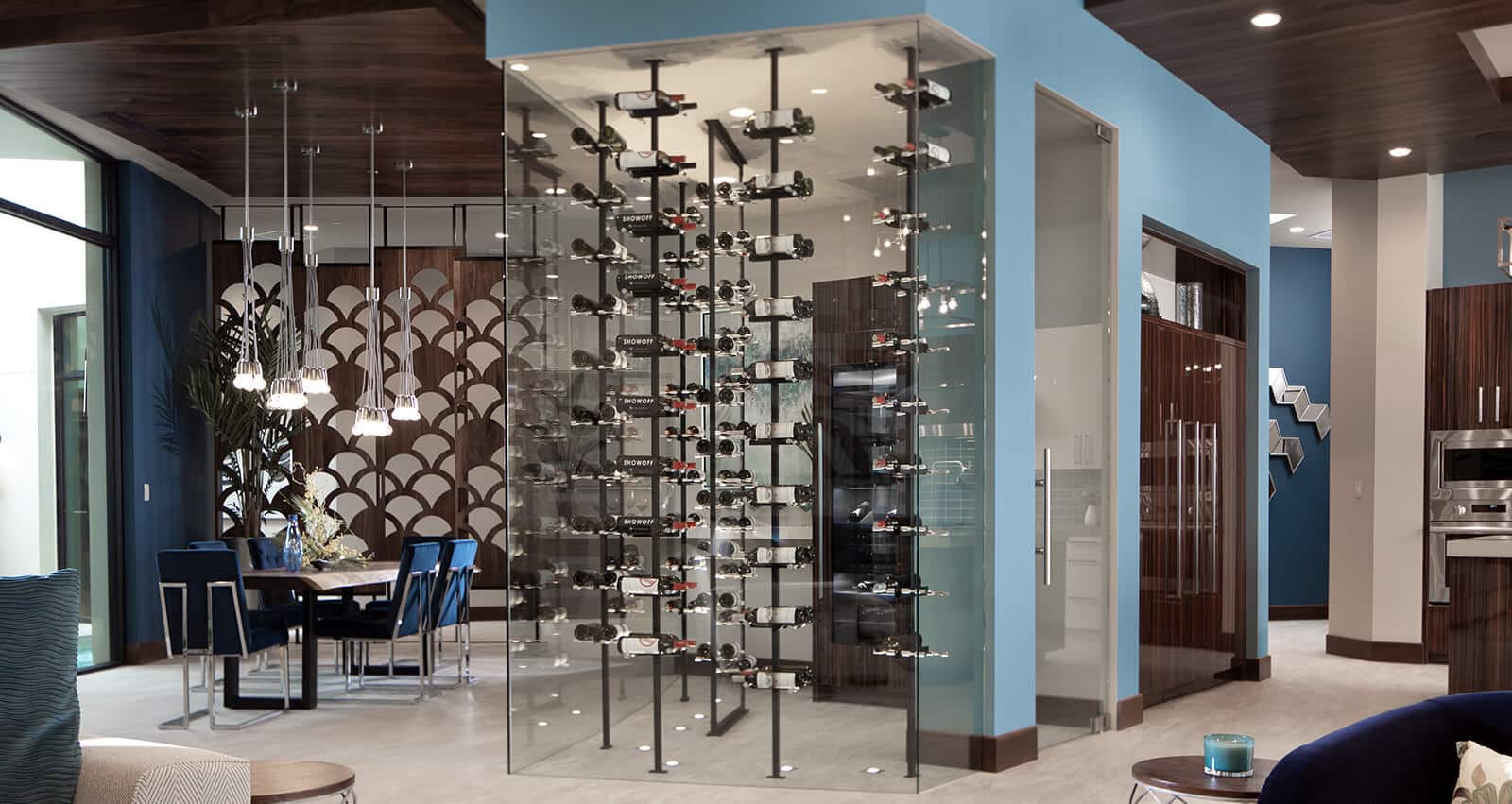
- Floor-to-Ceiling (Post or Frame System) Integration: If wall substrates are structurally unreliable, or if you are designing a "floating" glass-enclosed room divider, wall-mounted racking can be bypassed entirely. Utilizing modular, floor-to-ceiling metal Post or Frame systems allows designers to securely mount floating peg, rod, or panel systems in the center of a room, completely independent of the surrounding wall strength.
- Seamless Hardware & Collar Integration: To transition between structural metal and organic backer materials cleanly, specify racking components that feature dedicated mounting collars or finish plates. These collar systems hide the rough drill holes in the wood paneling, ensuring a flush, luxury finish that hides all anchoring points.
- Vapor Barrier Protection: When installing wood panel backdrops in climate-controlled cellars, ensure the wood is treated with low-VOC, cellar-safe sealants. This prevents wood from warping in high-humidity 55-degree environments and protects cork-sealed bottles from chemical off-gassing.
Bring Your Vision to Life
Whether you are designing a high-capacity commercial display or a striking residential accent wall, layering textures elevates the entire space.
Ready to specify a mixed-texture masterpiece for your next project? Let our team help you map out your next project! Check out our design services page to get started.
Are you a design or construction professional? Join the VintageView Trade Program to access exclusive pricing, dedicated account support, and expert 2D/3D design services for your clients.
FAQ's:
Can leather wine racks survive the humidity of a climate-controlled cellar?
Yes. Our leather-wrapped Vino Rails are highly suitable for the moisture-rich environment of a proper wine cellar (typically 55 degrees and 60-70% humidity).
To protect against long-term moisture exposure, we use a specially treated, non-porous leather. During construction, the aluminum rail is rolled into a full, edge-to-edge coating of adhesive for a tight bond. We then apply heat-sealed seams along the length of the rail and finish with a securely glued tip.
While no material is completely invincible to the elements over decades, this meticulous manufacturing process is specifically designed to prevent moisture from penetrating the wrap. We fully expect these leather-wrapped rails to enjoy the same high success rate as our standard metal finishes do against rust, and we proudly stand behind them with the VintageView lifetime warranty so you can build your display with complete confidence.
Can I mount metal wine racks directly to wood or drywall?
Yes, VintageView systems are engineered for high versatility across different substrates. If you are mounting to wood, our hardware is designed to anchor directly into the wood surface (provided the wood is structurally sound, typically a minimum of 1/2-inch thick). For walls without wood backing or accessible studs, we utilize specialized drywall collars. These collars provide a secure, flush installation directly into drywall, distributing the weight safely while maintaining a clean, architectural finish.
Will natural wood panels warp in a climate-controlled cellar?
Yes, they can. A proper wine cellar maintains 60% to 70% humidity. In this moisture-rich environment, natural wood can absorb water, causing it to swell, warp, or harbor mold unless it is rigorously sealed with low-VOC, cellar-safe finishes.
Because treating and maintaining natural wood can be difficult, many designers bypass the risk entirely by specifying our Vivid Grain finishes. Vivid Grain delivers the authentic look of traditional oak engineered directly onto moisture-proof aluminum. Alternatively, our specially treated Cognac Leather rails offer another organic, textured option that is specifically manufactured and heat-sealed to withstand cellar humidity without degrading.